
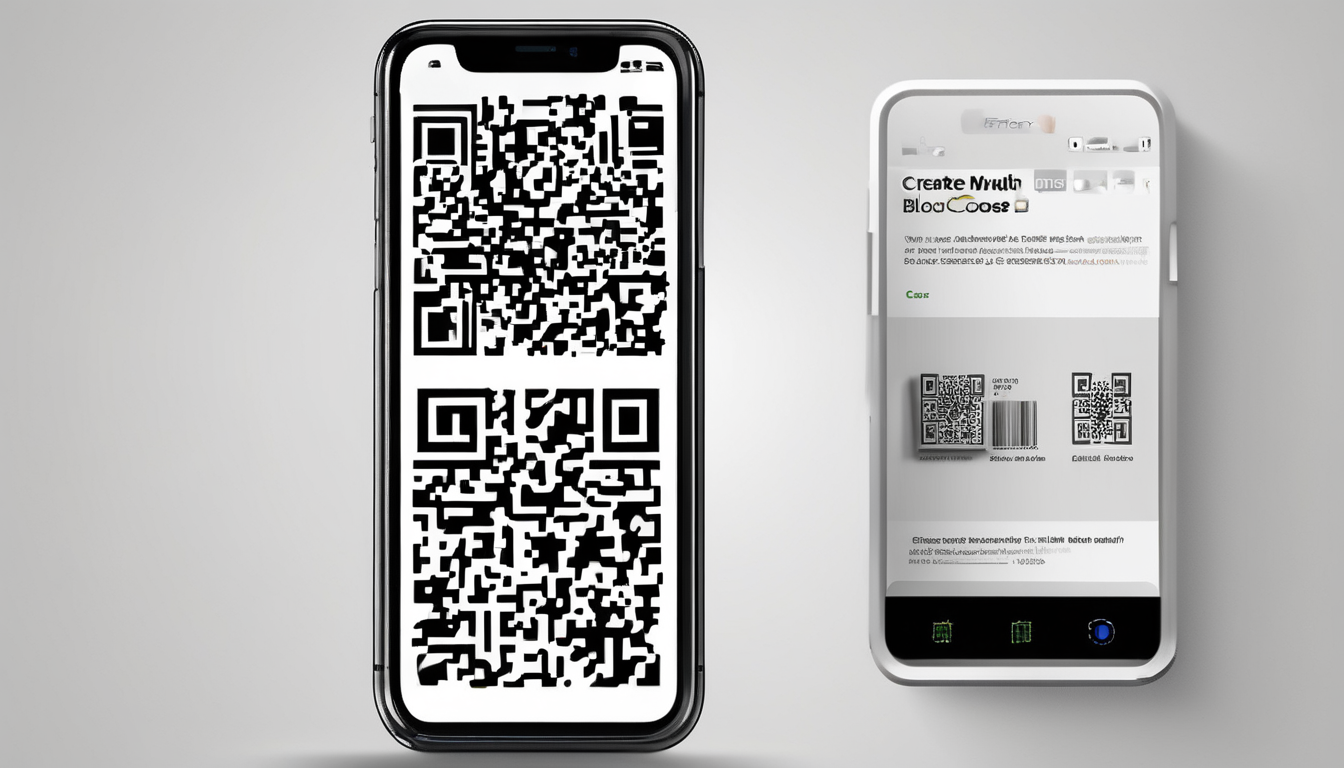
Creating multiple QR codes quickly and cheaply is easier than you think — and this guide explains exactly how to create multiple QR codes at once without any cost efficientl, from free web tools to automated Google Sheets workflows. Whether you need dozens or thousands for events, inventory, business cards, or menus, these methods let you generate batch QR codes with no software purchase required.
Below you’ll find step‑by‑step instructions, recommended free services, CSV and Excel techniques, automation with Google Sheets and APIs, quality and printing tips, plus expert takeaways so you can scale QR production without spending a dime. This relates directly to Create Multiple Qr Codes At Once Without Any Cost Efficientl.
Understanding how to create multiple QR codes at once without any cost efficientl
At its core, bulk QR code generation means turning a list of unique data items (URLs, product IDs, contact cards, Wi‑Fi credentials, etc.) into many QR images automatically rather than one‑by‑one. The typical free workflows involve uploading a CSV/Excel file to an online bulk generator, using a free API in a script, or leveraging Google Sheets formulas and image embedding to produce downloadable QR images. These approaches let you produce dozens, hundreds, or even thousands of QR codes without paying a subscription or buying software.
When you learn how to create multiple QR codes at once without any cost efficientl, you also need to decide between static QR codes (data embedded directly in the QR image and never changes) and dynamic QR codes (the QR points to a short redirect URL that can be changed later). Most free bulk generators create static codes for free; dynamic features usually require paid plans. Choose static for permanent data and dynamic if you expect to edit destinations later (note: dynamic typically isn’t free at scale).
Why generate bulk QR codes
Bulk generation saves time and reduces human error for use cases like:
- Product and asset labeling (SKU or serial number QR codes).
- Event tickets or badges where each attendee has a unique link or code.
- Menus and table codes where each table or item needs a distinct QR.
- Marketing campaigns requiring personalized landing pages per recipient.
- Inventory management and packing lists for logistics.
Therefore, knowing how to create multiple QR codes at once without any cost efficientl is essential for small businesses, event planners, restaurants, and creators on a budget who want professional results without paying $10s or $100s in software fees.
Top free tools to create multiple QR codes at once without any cost efficientl
There are several reputable free services that let you batch‑generate QR codes without signing up or paying. Below are reliable options, how they work, and practical notes about limits and outputs.
QRBatch — free batch generator
QRBatch allows you to paste lines of data or upload a CSV and create up to a daily free quota of codes, including PNG/JPG/SVG downloads and ZIP exports. It supports basic styling and custom file names, which is handy when generating labeled asset tags. For simple, no‑friction bulk generation, QRBatch is a solid free choice.
QuickChart Bulk QR generator
QuickChart offers a CSV upload interface and API that can generate thousands of QR codes and deliver a ZIP of images for free, with customization for size, color, and logo overlays. It’s developer‑friendly and useful when you want to automate with a simple HTTP request or CSV import. QuickChart also documents Excel and Google Sheets integration examples to produce QR images efficiently. When considering Create Multiple Qr Codes At Once Without Any Cost Efficientl, this becomes clear.
QR Code Chimp & QRExplore (freemium)
Platforms like QR Code Chimp and QRExplore provide free limited bulk generation and visually rich QR customization. They may require sign‑up for larger batches. For most one‑time projects, their free tiers or trial options cover dozens to hundreds of codes.
Canva’s QR generator (free) for small batches
Canva has a free QR code generator that you can add directly into designs and download as PNG, SVG, or PDF. While not a bulk CSV tool, Canva is excellent for producing dozens of well‑designed QR graphics embedded into marketing materials. Use it when you want design polish alongside code generation.
Other free sites
There are many smaller free bulk QR pages (e.g., QRGenerator.org bulk tool, QRPlanet, Free‑barcode bulk tools). These typically accept lists or CSV and return ZIP archives. Test one or two to find the UI and format that match your workflow.
Sources and examples of these services demonstrate real free bulk capability and CSV flows — ideal when learning how to create multiple QR codes at once without any cost efficientl.
CSV and Excel workflows for bulk QR code creation
CSV and Excel are the universal formats for bulk generation. The general workflow is:
- Create a CSV or Excel file with one data item per row (URL, text, or VCard string).
- Optionally add a column for filename labels and QR options (size, color, margin).
- Upload to a bulk QR generator that accepts CSV uploads, or use a script that reads the CSV and calls a free QR API for each row.
- Download a ZIP of images or a directory of PNG/SVG files.
Preparing your CSV
Include these columns for best results: id (filename), data (URL or text), and optional label, color, size. Keep the first column as the primary data if the tool expects that format — QuickChart and many others require the first column to be the QR payload.
Using Excel to generate payloads
Excel formulas make it easy to create payloads like vCards and Wi‑Fi strings. For example, a Wi‑Fi QR payload formula might combine SSID and password cells into: WIFI:T:WPA;S:MySSID;P:MyPassword;;. Once your payload column is ready, save as CSV and upload.
Batch filename control
If you want QR images named by SKU or person, include a filename column and ensure the generator uses that field for exported file names. This saves time when matching QR images back to inventory or guest lists. The importance of Create Multiple Qr Codes At Once Without Any Cost Efficientl is evident here.
Google Sheets automation to create multiple QR codes at once without any cost efficientl
Google Sheets is a free and powerful option when you want to stay inside a spreadsheet. The IMAGE and Google Chart APIs let you create QR images directly in cells, and you can use Apps Script to export the images to Drive as PNGs for download.
Basic formula method
Use the Google Chart API QR endpoint in the IMAGE formula. Example:
=IMAGE("https://chart.googleapis.com/chart?cht=qr&chs=300x300&chl=" & ENCODEURL(A2))
This renders a 300×300 QR image in the sheet for the data in A2. Repeat down the column to visualize all codes instantly. This method is free, quick, and needs no sign‑up beyond a Google account. Understanding Create Multiple Qr Codes At Once Without Any Cost Efficientl helps with this aspect.
Exporting images to files (free, programmatic)
To convert the in‑sheet images into downloadable PNG files, use a Google Apps Script that:
- Reads each payload cell.
- Builds the Google Chart API QR image URL or generates an SVG via free libraries.
- Fetches the image and writes it into Google Drive as a PNG filename from your filename column.
There are many community scripts and tutorials that show full Apps Script examples for exporting hundreds of QR codes to Drive in one run.
Throttling and quotas
Be mindful of Apps Script and Google service quotas; generate in batches (for example, 100–500 per run) to avoid hitting limits. This still allows you to create thousands over time without cost.
Open-source and developer options for free bulk QR generation
If you’re comfortable with code, open-source libraries give maximum control and zero recurring cost. Use Python, Node.js, or command‑line tools to generate assets locally. Create Multiple Qr Codes At Once Without Any Cost Efficientl factors into this consideration.
Python approach (free)
Use the qrcode and Pillow libraries to generate PNGs in a loop from a CSV:
import csv
import qrcode

with open('data.csv') as f:
    reader = csv.reader(f)
    for row in reader:
        filename, payload = row, row[1]
        img = qrcode.make(payload)
        img.save(f"{filename}.png")
This local method produces static QR codes with full control over size, error correction, and image export, and costs $0 aside from your time.
Node.js and CLI tools
Tools like qr-image or node-qrcode let you pipe CSV rows into scripts that output PNG or SVG files. For large scale offline generation, run scripts on a local machine or inexpensive cloud VM for one‑time bulk production.
Free APIs and rate limits
APIs such as the Google Chart API (for basic QR images) and QuickChart provide free endpoints for on‑the‑fly QR generation; combine with scripts to fetch and save images. Watch for usage limits and cache images locally once generated. This relates directly to Create Multiple Qr Codes At Once Without Any Cost Efficientl.
Design, quality, and printing best practices
Generating QR images is only half the job — you must ensure they scan reliably and print well. Below are practical rules to follow when you create multiple QR codes at once without any cost efficientl.
Size and resolution
For digital use, 300×300 px is usually fine. For print, aim for at least 600–1200 px and export as PNG or SVG for vector scaling. Remember: the physical minimum scan size depends on scanning distance; common guidance is the QR side length should be at least 1/10th of the scanning distance (so a poster scanned from 10 feet needs a 1 foot QR). Use imperial units when planning prints.
Error correction
Use medium to high error correction (M or Q) if you will overlay logos or print on textured materials. Higher correction increases redundancy but also makes the QR denser — test scanning with phones after generation.
Contrast and quiet zone
Maintain strong contrast (dark code on light background) and preserve the quiet zone (blank margin) around the code. Avoid busy backgrounds unless you use a solid frame or white bounding box behind the code. When considering Create Multiple Qr Codes At Once Without Any Cost Efficientl, this becomes clear.
Labeling and tracking
For batches, embed human‑readable labels (like SKU or table number) as separate image captions or use the data label feature offered by generators; don’t compress away filenames so you can match images to items easily.
Scaling and managing large QR batches
When generating thousands of codes, efficient naming, foldering, and version control matter.
Folder structure and naming
Export ZIPs organized by category or prefix filenames with a batch ID and item identifier (e.g., BATCH01_ITEM123.png). Keep a master CSV mapping filenames to payloads and any metadata such as creation date or print run size.
Versioning and reusability
If you used static QR codes and need to update destinations, you’ll have to regenerate and possibly reprint. For campaigns where change is likely, consider using free short URL services combined with static QR generation (create unique short URLs that you control and can edit if the shortener allows free edits), or accept that dynamic editing often requires a paid service. The importance of Create Multiple Qr Codes At Once Without Any Cost Efficientl is evident here.
Automating generation, download, and print labels
Combine Google Sheets or local scripts with label templates (Avery sheets) to auto‑populate and print stickers. Many bulk generator outputs can be imported directly into label printing software or Word/Excel mail‑merge templates for rapid sticker production.
Expert tips and key takeaways on how to create multiple QR codes at once without any cost efficientl
- Start with a clean CSV: one payload per row and a clear filename column saves hours during matching and printing.
- Use Google Sheets for quick turnarounds: the IMAGE+Chart API formula is instant and free for dozens to hundreds of codes; export via Apps Script when you need files.
- Prefer PNG or SVG exports: PNG at high resolution or SVG for vector scaling prevents blurry prints.
- Test early and often: print a sample of 5–10 QR codes at final size to verify scanning across phones before exporting thousands.
- Watch for limits: free web generators may cap daily outputs — plan batches accordingly or switch to a local script to avoid throttling.
- Keep data private: if your payloads contain sensitive data, prefer local generation with open‑source libraries rather than public web uploads.
- Document your batch: maintain a master CSV mapping filenames to payloads and usage context (e.g., which event, which shelf) for future audits.
Conclusion
Learning how to create multiple QR codes at once without any cost efficientl gives you freedom to deploy QR technology across events, products, menus, and marketing without software bills. Choose the workflow that matches your comfort level — web bulk generators for simplicity, Google Sheets for spreadsheet control, or open‑source scripts for full automation and privacy. Follow best practices for sizing, contrast, and naming to ensure your QR codes work reliably in the real world.
Try a quick experiment now: create a two‑column CSV with filenames and payloads, paste it into a free bulk generator (or use Google Sheets IMAGE formula), and download a ZIP to validate the process. You’ll be surprised how fast you can scale QR production for $0 when you follow these proven, practical methods. Understanding Create Multiple Qr Codes At Once Without Any Cost Efficientl is key to success in this area.