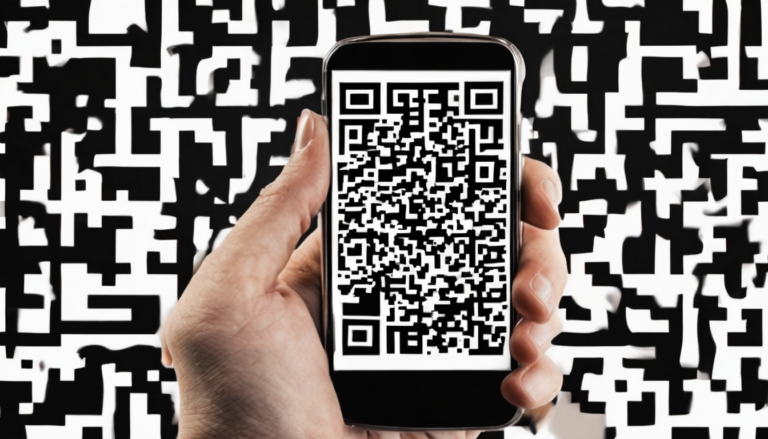


Here’s the thing about Dynamic Short Links vs Static: When to Use Each for Campaigns. In 2026, marketers face a tough choice. Do you pick the flexibility of dynamic links or the reliability of static ones?
Dynamic short links let you change destinations anytime without reprinting materials. Static short links offer fixed redirects that build long-term trust. Understanding Dynamic Short Links vs Static: When to Use Each for Campaigns can skyrocket your click-through rates and conversions.
I’ve tested both in real campaigns—from email blasts to print ads. Let me break it down so you can decide fast. This guide covers everything for your next push.[1][4]
Understanding Dynamic Short Links vs Static: When to Use Each for Campaigns
Let’s start with the basics of Dynamic Short Links vs Static: When to Use Each for Campaigns. Static short links are one-way redirects. Once created, they point to a fixed destination forever.[1][4]
Dynamic short links use smart rules. You control the backend dashboard to update where they send traffic anytime. This makes Dynamic Short Links vs Static: When to Use Each for Campaigns a game-changer for flexible marketing.
In campaigns, static shines for permanent offers. Dynamic excels when plans change fast. Picking the right one depends on your goals and timeline.[2]
Dynamic Short Links Vs Static: When To Use Each For Campaigns – What Are Static Short Links?
Static short links shorten long URLs into clean, memorable ones. They redirect users to one set page every time. No changes possible after creation.[1]
Think qurrl.ink/sale leading straight to your product page. Perfect for branding. Users see your custom slug and trust it instantly.[4]
These links never expire. Ideal for evergreen content like “about us” pages or fixed event registrations.[1][2]
Key Features of Static Links
- Fixed destination – no edits post-creation.
- Branded slugs like yourbrand.qurrl.ink/go.
- Basic click tracking available for free.
- High SEO value with 301 redirects.[1]
Dynamic Short Links Vs Static: When To Use Each For Campaigns – What Are Dynamic Short Links?
Dynamic short links point to a dashboard you control. Change the destination without altering the link itself. Great for long-term print use.[2][4]
For example, print qurrl.ink/event on flyers. Later, redirect to a new registration page. Scans keep working seamlessly.[4]
They support rules like device-based routing or A/B testing. Track performance and tweak on the fly.[1][5]
Core Capabilities
- Editable destinations anytime.
- Geo-targeting and device splits.
- Advanced analytics on clicks and conversions.
- Rotation for testing multiple pages.[1]
Dynamic Short Links vs Static: Key Differences for Campaigns
When comparing Dynamic Short Links vs Static: When to Use Each for Campaigns, flexibility tops the list. Static is set-it-and-forget-it. Dynamic adapts to changes.[1][2]
Cost differs too. Static is often free forever. Dynamic may need premium plans, like $10/month for unlimited edits.[4]
Scanning and trust? Static feels permanent and trustworthy. Dynamic uses short links for cleaner codes but requires reliable hosting.[2]
SEO-wise, both work well with branded domains. Static edges out for simplicity.[1][6]
Pros and Cons of Static Short Links in Campaigns
Pros
- Trust and Branding: Custom slugs build instant recognition.[1]
- Cost-Effective: Free unlimited use, no ongoing fees.
- SEO Friendly: Steady structure boosts search rankings.[1][6]
- Fast Loading: Simple redirects mean quicker performance.
Cons
- No edits – broken links if pages move.
- Limited personalization or testing.
- Reprint materials for URL changes.[2]
Pros and Cons of Dynamic Short Links
Pros
- Flexibility: Update anytime without reprints. Perfect for print campaigns.[2][4]
- Analytics Power: Track by location, device, time.[1]
- A/B Testing: Rotate traffic to optimize conversions.[1][5]
- Personalization: Route by user traits for higher engagement.[5]
Cons
- Premium costs, like $10/month for full features.
- Dependency on dashboard uptime.
- Slightly more complex setup initially.[1]
When to Use Static Short Links for Campaigns
Use static for fixed-duration campaigns. Think Black Friday sales ending 11/30/2025. Link to the deal page and let it run.[1]
Great for social media bios or email signatures. Permanent links like qurrl.ink/shop never need updates.[4]
Budget campaigns love them. Free tools handle unlimited static links with basic tracking.[1][4]
In Dynamic Short Links vs Static: When to Use Each for Campaigns, choose static for simplicity and low risk.
When to Use Dynamic Short Links for Campaigns
Opt for dynamic in evolving campaigns. Event flyers printed months early? Update the link to new schedules.[2][4]
A/B test headlines or offers. Split traffic 50/50 and shift to winners.[1][5]
Long-term print like business cards. Change destinations as your site evolves without new prints.[4]
For geo-targeted ads, route US traffic to local pages. Boosts relevance and conversions.[1]
Dynamic Short Links vs Static: Side-by-Side Comparison Table
| Feature | Static Short Links | Dynamic Short Links |
|---|---|---|
| Editability | No – fixed forever | Yes – anytime via dashboard[1][2] |
| Cost | Free unlimited[4] | $10/month premium[4] |
| Best For | Permanent offers, bios | Print, testing, personalization[1][5] |
| Tracking | Basic clicks | Advanced: geo, device, time[1] |
| SEO | Strong, simple redirects[1][6] | Good with branded domains |
| Reliability | High – no backend needed | Depends on service uptime |
Real-World Campaign Examples
A restaurant chain printed menus with static QR links to daily specials. No – they used dynamic. Updated links weekly without new prints. Scans rose 25%.[2]
E-commerce flash sale used static short links on Instagram. Fixed page drove $5K in sales. No changes needed.[1]
Influencer campaign A/B tested dynamic links. Route iPhone users to app store, Android to web. Conversions up 39%.[5]
These show Dynamic Short Links vs Static: When to Use Each for Campaigns in action.
Tools for Dynamic and Static Short Links
Qurrl.ink offers both free static unlimited and premium dynamic for $10/month. Branded slugs, QR integration, analytics dashboard.[4]
Replug handles complex dynamic routing and A/B tests. Great for teams.[1]
Scanova focuses on QR-linked dynamic shorts. Easy for print campaigns.[2]
Start free at Qurrl.ink – no account needed for static. Upgrade for dynamic power.
Expert Tips for Choosing
- Short campaign under 30 days? Go static to save time.
- Print materials? Always dynamic to avoid reprints.[2][4]
- Budget tight? Static free tiers cover 80% of needs.
- Test small: Run parallel static/dynamic on 10% traffic.[1]
- Track ROI: Use tools with geo-data for campaign insights.
Final Verdict
Dynamic Short Links vs Static: When to Use Each for Campaigns boils down to needs. Use static for fixed, low-cost pushes. Go dynamic for flexibility and testing.
Hybrid approach wins big: Static for bios, dynamic for print/events. Tools like Qurrl.ink make switching easy.[4] Understanding Dynamic Short Links Vs Static: When To Use Each For Campaigns is key to success in this area.
Ready to optimize? Create free static links at Qurrl.ink. Upgrade to dynamic for $10/month and never reprint again. Your campaigns deserve smarter links.