
Introduction
Understanding Customizing Qr Codes For Team Collaboration is essential. Effective teamwork requires clear communication and efficient processes. One powerful tool that can streamline this process is the QR code. These simple yet versatile barcodes can be used in a multitude of ways, from event registrations to document sharing. However, did you know that you can customize these codes to better suit your needs? In this article, we’ll explore 10 essential ways to enhance your QR codes for seamless team collaboration.
Understanding Customizing QR Codes for Team Collaboration
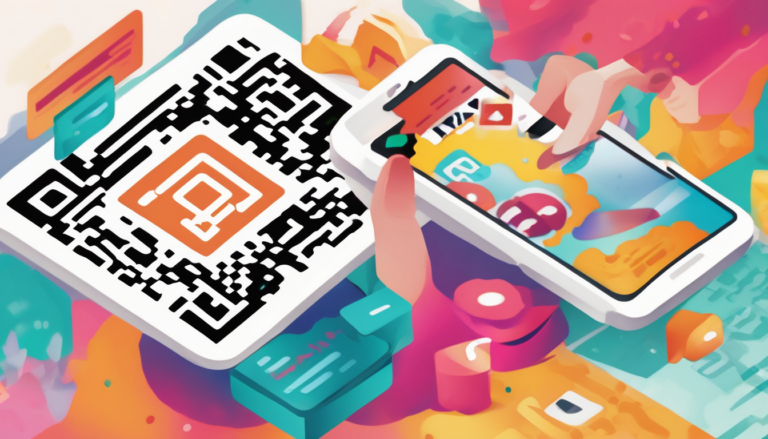
Customizing QR codes means tailoring their appearance to match your branding or specific team needs. This can include changing colors, adding logos, and choosing the right type of QR code for different uses. By doing so, you not only make it easier for team members to recognize these codes but also integrate them more seamlessly into your workflow.
Customizing Qr Codes For Team Collaboration: Choosing the Right Color Scheme
The color scheme used in a QR code can significantly impact its visibility and readability. For team collaboration, consider using colors that are both visually appealing and easy to distinguish from your background. For example, if most of your documents are printed on white paper, choose vibrant colors like blue or green for better contrast.
Example:
In a meeting room where everyone has black folders, adding a QR code with yellow dots can make it quickly recognizable and stand out from the rest of the paperwork. This not only makes scanning easier but also ensures that important information doesn’t get lost in a sea of documents. This relates directly to Customizing Qr Codes For Team Collaboration.
Customizing Qr Codes For Team Collaboration: Adding Logos and Branded Elements
Branding your QR codes with your company logo or team colors can help reinforce brand recognition. This is particularly useful for large organizations where multiple teams might be using QR codes in various projects. By adding a recognizable element, you make it easier for team members to associate the code with specific initiatives.
Example:
A tech startup might use its logo on all internal event QR codes, ensuring that employees can quickly identify important meetings or workshops. This not only streamlines communication but also reinforces company culture and identity.
Using Different QR Code Types
Not all QR code types are created equal. Depending on your needs, you might choose different types of codes for various purposes. For instance, URL-based QR codes can be used to direct users to specific web pages or documents, while email-based codes can automatically send predefined messages. When considering Customizing Qr Codes For Team Collaboration, this becomes clear.
Example:
A marketing team could use an email-based QR code during a conference to send out follow-up information directly from their company email. This ensures that attendees receive relevant and targeted communications without having to manually enter complex addresses or URLs.
Creating Customizable QR Codes for Team Events
Customizing QR codes for team events can help manage attendance, distribute information, and streamline registration processes. For example, you could create unique event-specific QR codes that lead to a dedicated landing page with all the necessary details.
Example:
A company retreat might use custom QR codes that not only provide essential information but also link to pre-filled forms for team-building activities or logistical arrangements. This reduces paperwork and ensures everyone has the correct data at their fingertips. The importance of Customizing Qr Codes For Team Collaboration is evident here.
Integrating with Project Management Tools
QR codes can be integrated into various project management tools, such as Trello or Asana, to create more efficient workflows. By linking specific tasks or projects to QR codes, you can easily assign them and track progress without relying on manual updates.
Example:
A development team might use QR codes that link directly to task boards in their project management software. This allows developers to quickly access relevant information and collaborate more effectively by working from a single source of truth.
Customizing Mobile Applications
QR codes can also be used within mobile applications to enhance user experience. For instance, you could create an app that allows users to scan QR codes for quick access to important documents or team resources. Understanding Customizing Qr Codes For Team Collaboration helps with this aspect.
Example:
A real estate firm might develop a mobile application where agents can use QR codes to share property listings directly with clients. This not only speeds up the process but also ensures that all necessary details are readily available without manual entry.
Using QR Codes for Document Sharing
QR codes can be used to share documents quickly and efficiently within a team. By embedding links to specific files or folders, you can ensure that everyone has access to the most up-to-date information without needing to forward emails or use shared drives.
Example:
A legal team could create QR codes for client briefs or case studies, allowing associates to scan and access documents directly from their phones. This improves document management and reduces the risk of misplacement or outdated versions circulating among team members. Customizing Qr Codes For Team Collaboration factors into this consideration.
Leveraging Dynamic QR Codes
Dynamic QR codes are particularly useful for scenarios where the content needs to be updated frequently, such as meeting schedules or event information. These codes can automatically redirect users to the latest version of a document or webpage.
Example:
A human resources department might use dynamic QR codes on employee handbooks that link directly to the company’s intranet for policy updates. This ensures that all team members are always working with the most current information, reducing confusion and potential errors.
Tips and Tricks for Team Collaboration
1. Create a QR code style guide: Establish guidelines for how your team should use and customize QR codes to ensure consistency.
2. Test different designs: Experiment with various color schemes, logos, and types of QR codes to find the best combination for your specific needs.
3. Incorporate feedback: Encourage team members to provide input on QR code design ideas to foster a collaborative environment.
4. Use analytics tools: Track how often your custom QR codes are being used and make adjustments as needed based on user engagement data.
5. Train users: Provide training sessions or resources for new team members to ensure they understand the purpose and proper use of customized QR codes. This relates directly to Customizing Qr Codes For Team Collaboration.
FAQ
- Q: How can I create custom QR codes?
- A: You can use online tools or software that allow you to customize QR codes with your own branding and content. Consider using a tool like Qurrl.ink, which offers advanced customization options for teams.
- Q: Can I use different types of QR codes in the same project?
- A: Yes, you can mix and match different types of QR codes within a single project to meet various needs. For example, you might use URL-based codes for web pages and email-based codes for automatic message sends.
- Q: How do I integrate custom QR codes into existing systems?
- A: Integrate custom QR codes by linking them to relevant data sources within your project management tools, intranets, or mobile applications. Make sure the code points to accurate and up-to-date information.
Conclusion
Customizing QR codes for team collaboration can significantly enhance communication and productivity. By leveraging these versatile barcodes in thoughtful ways, you can streamline workflows, improve document sharing, and foster a more efficient and cohesive team environment.