
—
—
—
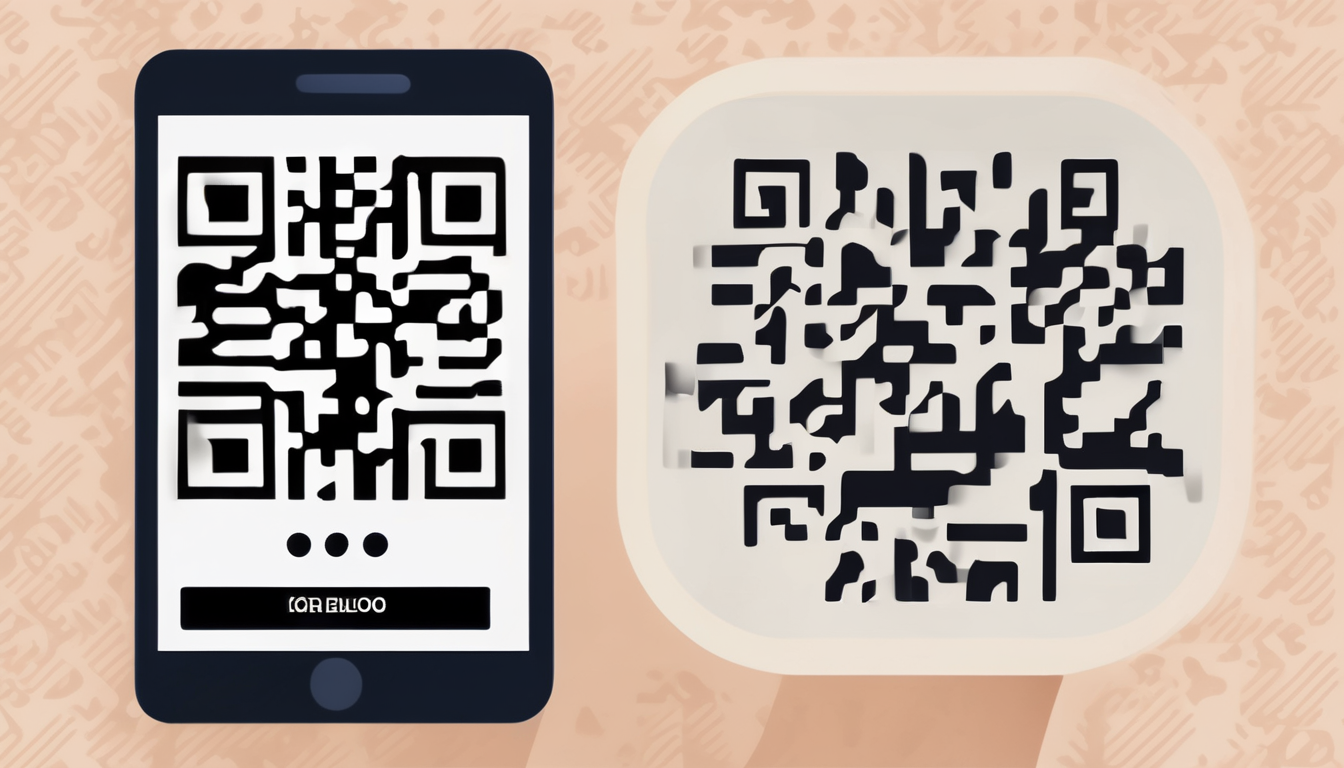
QR Codes have become an essential tool in digital marketing, making it easier than ever to share information quickly through mobile devices. Whether you’re linking to a product page, event registration, or any other type of content, understanding the best practices for designing QR codes is crucial. In this comprehensive guide, we’ll walk you through key design elements and strategies to ensure your QR codes are not only visually appealing but also highly functional.
—
Understanding QR Code Design Best Practices for Links
Before diving into the specifics of designing QR codes, it’s important to understand why best practices are necessary. Poorly designed QR codes can lead to poor user experiences, higher bounce rates, and ultimately, decreased conversions. By following these guidelines, you ensure that your QR codes are both functional and visually appealing.
QR Code Design Best Practices for Links involve several key elements: choosing the right colors, embedding logos, optimizing sizes and shapes, selecting appropriate error correction levels, and testing thoroughly. These practices collectively enhance user engagement and improve the overall effectiveness of your QR code campaigns.
—
Qr Code Design Best Practices For Links – Choosing the Right Colors for Your QR Codes
Color selection plays a crucial role in making QR codes more recognizable and legible. Typically, you should choose colors that contrast well against common background colors to ensure easy scanning. For example, using black-and-white designs on light backgrounds or vibrant colors on dark backgrounds can significantly improve readability.
H3: Example – A restaurant might use a QR code with a bright red color for their menu, which is ideal because it stands out against most dining room surfaces. This relates directly to Qr Code Design Best Practices For Links.
—
Qr Code Design Best Practices For Links – Embedding Logos in QR Codes for Branding
Incorporating your brand’s logo into the QR code can help establish recognition and strengthen brand association. However, you must ensure that the logo is small enough not to obstruct the QR matrix pattern. A good rule of thumb is to keep the logo within 10% to 25% of the total QR code area.
H3: Example – A clothing retailer could embed their logo into a QR code, ensuring it’s small enough to not interfere with scanning but large enough to be recognizable. This creates a seamless experience for customers who can easily connect the brand and the content they’re accessing.
—
Optimizing QR Code Sizes and Shapes for Better Readability
The size of your QR code greatly affects its readability. Generally, larger QR codes are easier to scan from a distance, making them more suitable for outdoor use or in areas with lower lighting conditions. Conversely, smaller QR codes work better indoors where space is limited.
For most applications, a 20×20 module size (which translates to approximately 1.75 inches) should suffice. However, if you’re targeting environments with challenging lighting or scanning conditions, consider increasing the size to 40×40 modules or larger.
—
Choosing the Appropriate Error Correction Levels
Error correction levels are critical for ensuring that your QR code remains functional even if part of it is damaged. The four error correction levels available in most QR code generators are L, M, Q, and H, with each level providing a different amount of data redundancy.
H3: Example – For highly sensitive information such as event registrations or important documents, the higher error correction level (Q or H) would be best. However, for less critical content like blog posts or social media links, the lower levels (L or M) might suffice while reducing file size and complexity. When considering Qr Code Design Best Practices For Links, this becomes clear.
—
Testing and Optimization Strategies for Your QR Codes
Before deploying your QR codes in a live environment, thorough testing is essential. This involves using different scanning devices to ensure compatibility across various platforms (smartphones, tablets, etc.). Additionally, you should test the code under varying lighting conditions to check its readability.
H3: Example – A marketing team might set up a QR code kiosk at an event and invite attendees to scan it. By monitoring which devices struggle with scanning and adjusting accordingly, they can optimize their QR codes for better user experiences.
—
Expert Tips for Designing Better QR Codes
1. Keep it simple – Avoid cluttering your QR code with unnecessary elements. The cleaner and more straightforward the design, the easier it is to scan.
2. Use consistent branding – Ensure that your QR codes align with your overall brand guidelines for a cohesive look.
3. Test with different devices – Different smartphones have varying camera resolutions; test across multiple models to ensure universal compatibility.
4. Provide clear instructions – If the context is unclear, include brief instructions on how to use the QR code or what information it contains. The importance of Qr Code Design Best Practices For Links is evident here.
5. Monitor performance metrics – Use analytics tools to track click-through rates and make data-driven decisions about future designs.
—
FAQ: Common Questions About QR Code Design
Q1: Can I use any color for my QR codes?
A1: While you can technically use any color, it’s best to choose high-contrast colors that stand out against common backgrounds. Dark colors on light backgrounds and vice versa work well.
Q2: How do I test the readability of my QR code?
A2: Test your QR code with various devices under different lighting conditions. You can use online tools like QR Code Generator’s built-in testing features or physical testing in real-world scenarios.
—
Conclusion: Key Takeaways on QR Code Design Best Practices
Designing effective QR codes involves a combination of practical considerations and technical knowledge. By following these best practices, you can create QR codes that are not only functional but also visually appealing. Remember to test thoroughly and optimize based on user feedback for the best results. Understanding Qr Code Design Best Practices For Links helps with this aspect.
To get started with designing your own QR codes, visit Qurrl.ink and try out their powerful yet free QR code generator tools today! Understanding Qr Code Design Best Practices For Links is key to success in this area.